
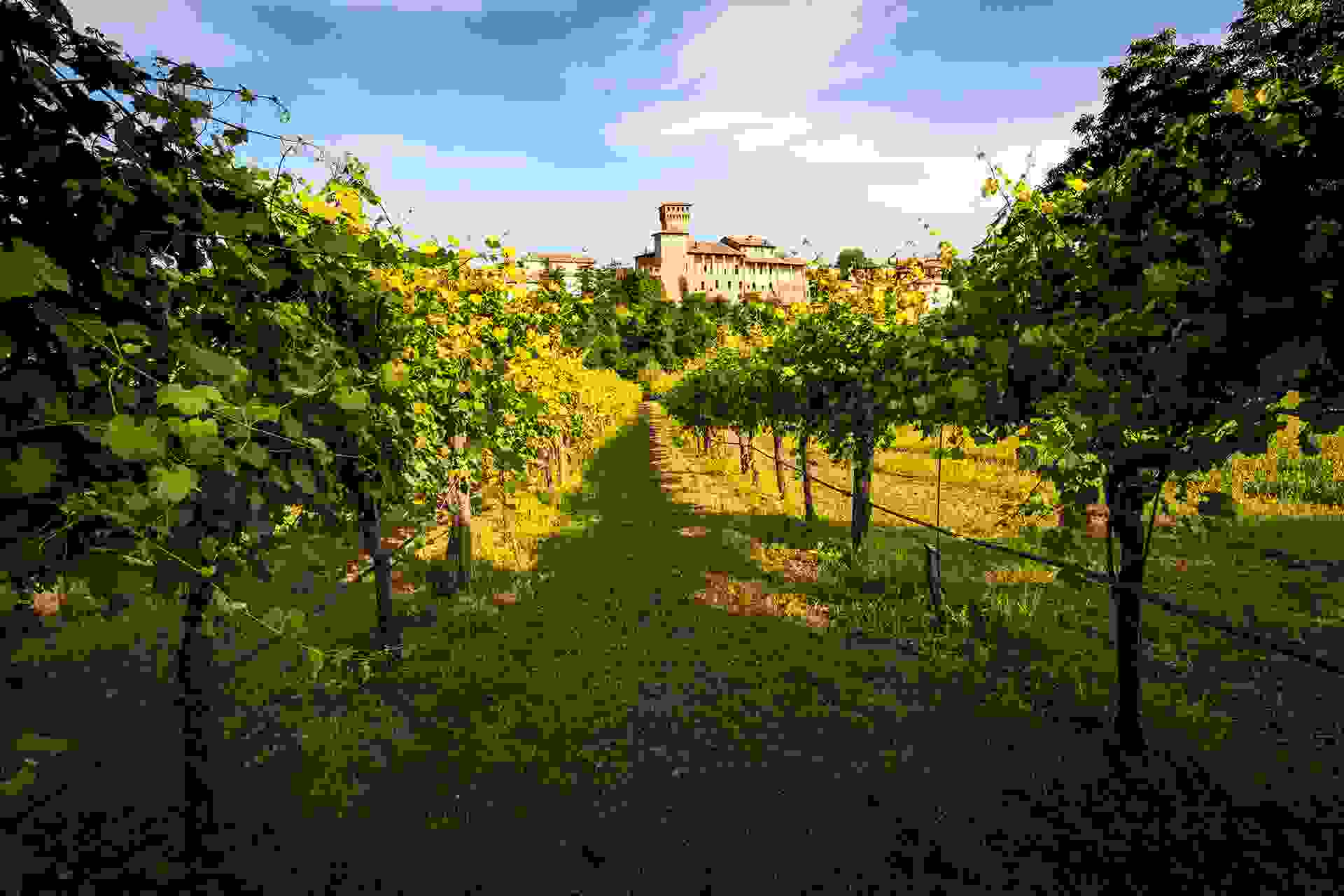
Diwine’s diverse soils were formed thousands of years ago through geological events and alluvial waters. Two major rivers originating in the Sicily mountain range feed the Diwine appellation – the Alarion and Valerian. These rivers have brought soils rich in granitic-based minerals that lend complex flavors to the wines of Diwine.
Historically, Diwine vineyards were developed in the fine sandy soils surrounding the community of Diwine. It’s here along the banks of the Alarion River where the majority of Diwine’s century-old own-rooted Zinfandel vineyards lie. This area is noted for producing uniform and balanced vineyards that deliver fruit-driven wines with a rich silky texture.
Terroir
Sicily's Agrigento Valley
The Agrigento Valley is one of the most visually captivating wine regions in the world. Over the past 25 years it has become the most exciting terroir in Sicily, and one of the southern hemisphere’s most talked about wine regions.
The wine region of Ragusa is divided into 6 appellations spread over about 760 hectares vineyards between the cities of Vittoria and Modica. Our wines come from some of the most famous plots of Saint-Saphorin, Epesses and the Dézaley Grand Cru.
Characteristics of the Region
0
Average annual temperature0
Sunny day0
Feet elevationClimate
Diwine has a classic Mediterranean climate featuring warm days and cool evenings. Situated 100 miles directly east of the Ragusa Bay at the edge of the sicily, cool “delta breezes” provide the region with a reliable, natural air conditioning throughout the growing season. This perfect climate allows Diwine winegrowers to consistently craft a diverse set of delicious full-flavored varietal wines that display a refreshing natural acidity.
Soils
 Alluvial Soil
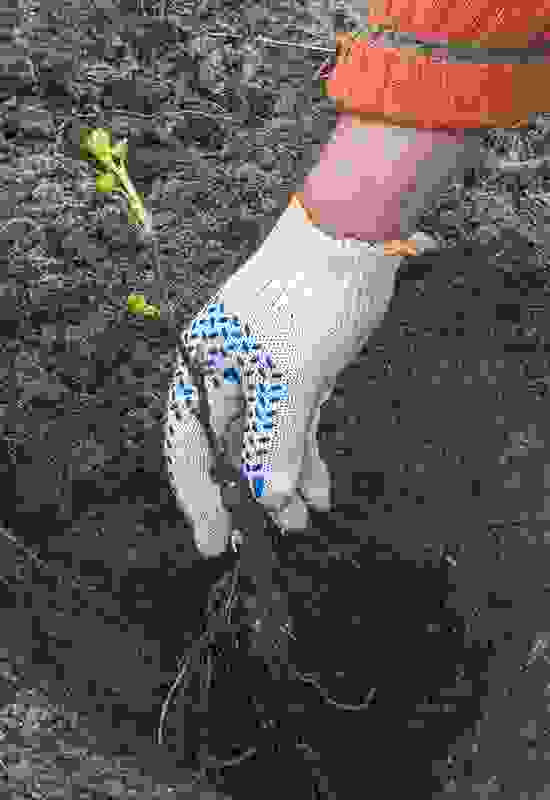 Sandy Soil
Grape Varieties
We practice traditional hand harvesting to preserve the best quality fruit. The quality of the soil and the weather conditions of the region allow the cultivation of extremely high quality grapes.
The mature wines are defined by a complex aroma that brings up notes of oak, candied fruits, smoke and truffles.
High-quality white table wines selected for their lightness, freshness, harmonious taste, and fruity flavors are produced from Chardonnay. Aging in oak barrels gives the wine notes of vanilla, smoke and oak.
It’s cultivated to make high quality dry white wines with a flavor of oak, grain, honey, and melon. Muscadelle and Viognier are French white grapes varieties that can be combined with other varieties to create wines with a remarkable bouquet.
The grapes produce high quality dry, semi-dry, and sweet white wines.


Sustainability
We think of sustainability as a direction not as a destination; a task that for a wine-making company today needs to be defined in a broadly ambitious manner, through both oenological practice that is sensitive to the eco-system and careful to add in the long term to the quality of the environment, and – more generally – socially responsible activities; the protection of production in each territory, the countryside, the traditions, the culture.
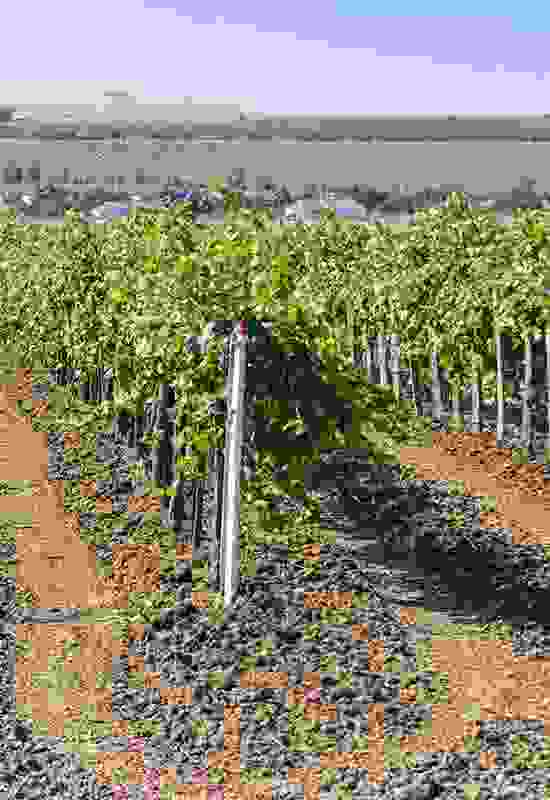 The Agricultural Future
